

Tourist Spots in Sylhet, Bangladesh. Sylhet is one of the most beautiful travel destinations in Bangladesh. Known for its lush tea gardens, misty hills, clear rivers, and spiritual landmarks, Sylhet attracts thousands of tourists every year. If you are planning a trip and searching for the best tourist spots in Sylhet, Bangladesh, this guide will help you discover the most stunning places to visit.
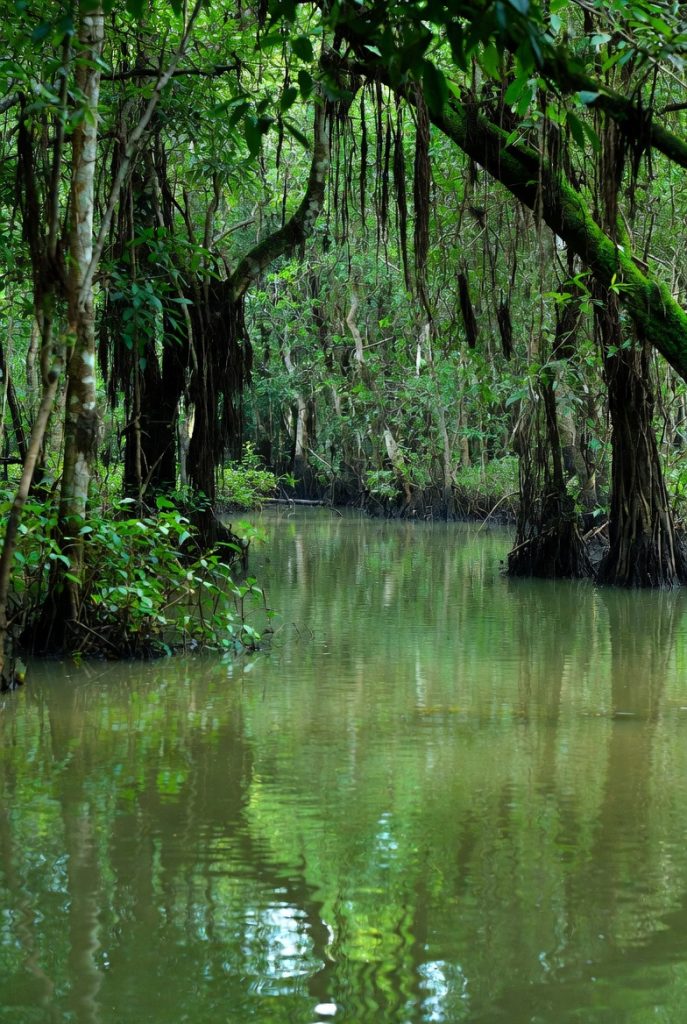
Located in the northeastern region of the country, Sylhet offers a perfect mix of natural beauty, history, and culture. From breathtaking waterfalls and swamp forests to sacred shrines and peaceful tea estates, Sylhet is truly a paradise for travellers.
Why Visit Sylhet?
Sylhet is famous for its natural landscapes and cultural heritage. The region is surrounded by the hills of Meghalaya in India, which creates stunning scenery and unique ecosystems.
Visitors love Sylhet for several reasons:
- Endless green tea gardens
- Crystal-clear rivers and waterfalls
- Peaceful hill landscapes
- Religious and historical landmarks
- Unique tribal cultures
Whether you enjoy nature tourism, photography, or cultural exploration, Sylhet has something for everyone.
Best Tourist Spots in Sylhet, Bangladesh
Below are some of the most popular tourist attractions in Sylhet that you should not miss.
Jaflong – The Most Famous Tourist Spot
One of the top tourist spots in Sylhet Bangladesh, is Jaflong. Located near the India–Bangladesh border, Jaflong is famous for its breathtaking natural beauty.
Visitors can enjoy views of the hills of Meghalaya while standing beside the crystal-clear water of the Piyain River.
Things to do in Jaflong
- Boat rides on the river
- Visit Khasi tribal villages
- Watch stone collection activities
- Photography of the surrounding hills
The natural landscape makes Jaflong one of the most visited tourist destinations in Sylhet.
Ratargul Swamp Forest – The Amazon of Bangladesh
Another incredible tourist spot is Ratargul Swamp Forest, the only freshwater swamp forest in Bangladesh.
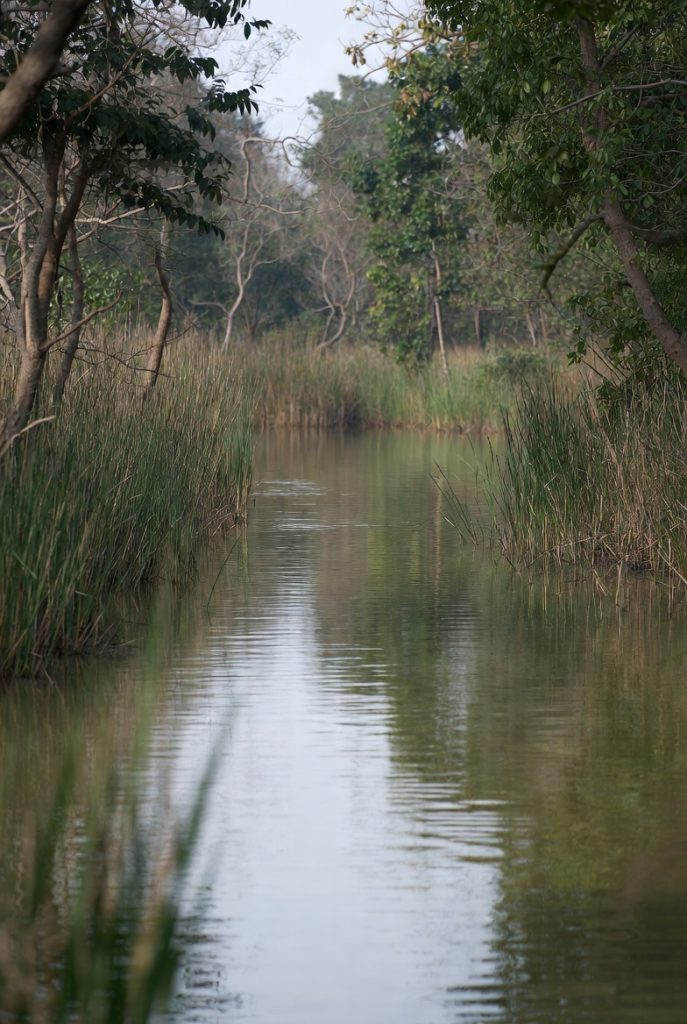
This magical forest becomes completely flooded during the monsoon season, allowing visitors to explore it by boat.
Highlights of Ratargul
- Boat tours through submerged trees
- Unique wildlife and birds
- Peaceful and mysterious forest environment
The best time to visit Ratargul is from June to September, when the forest is filled with water.
Lalakhal – The Blue River of Sylhet
Lalakhal is one of the most picturesque places in Sylhet. It is famous for its blue-green water and surrounding hills.
Located near the town of Jaintiapur, Lalakhal offers breathtaking views and relaxing boat journeys.
Activities at Lalakhal
- The boat cruises along the river
- Visiting nearby tea gardens
- Enjoying riverside restaurants
- Sunset photography
Bichanakandi – Stone Beds and Mountain Views
Bichanakandi is another breathtaking tourist spot known for its white stones, flowing streams, and mountain scenery.
The area lies near the foothills of Meghalaya and offers spectacular views of waterfalls flowing down the hills.
Why visit Bichanakandi?
- Stunning natural landscape
- Clear river water and stone beds
- Perfect destination for nature lovers
Many travellers compare Bichanakandi with Jaflong because of its similar beauty.
Madhabkunda Waterfall – The Largest Waterfall in Bangladesh
Madhabkunda Waterfall is one of the most famous waterfalls in the country.
Surrounded by green hills and forests, this waterfall creates a breathtaking view for visitors.
Things to enjoy
- Hiking through forest trails
- Photography of the waterfall
- Relaxing in the natural environment
This location is perfect for adventure lovers and nature enthusiasts.
Lawachara National Park – A Wildlife Paradise
Nature lovers should not miss Lawachara National Park, a tropical rainforest located in the Sylhet region.
The park is home to many rare animals, including the endangered Western Hoolock Gibbon.
Activities in Lawachara
- Jungle trekking
- Wildlife watching
- Bird photography
- Exploring forest trails
This park is one of the best eco-tourism destinations in Bangladesh.
Hazrat Shah Jalal Shrine – Spiritual Heart of Sylhet
A visit to Sylhet is incomplete without visiting the sacred shrine of Shah Jalal.
The Hazrat Shah Jalal Dargah attracts thousands of visitors and pilgrims every year.
Why is it important
- One of the most significant Islamic heritage sites in Bangladesh
- A peaceful spiritual environment
- Historical importance dating back centuries
Many tourists visit the shrine to experience the spiritual culture of Sylhet.
Tea Gardens of Sylhet
Sylhet is widely known for its vast tea plantations. One of the most famous estates is Malnichhara Tea Estate, one of the oldest tea gardens in the region.
Walking through the endless green tea fields is one of the most relaxing experiences in Sylhet.
What visitors enjoy
- Scenic tea garden landscapes
- Fresh tea tasting
- Photography in green hills
Best Time to Visit Tourist Spots in Sylhet, Bangladesh
The best time to visit Sylhet depends on the type of experience you want.
Monsoon Season (June – September)
- Best for waterfalls and swamp forests
- Rivers and forests look magical
Winter Season (October – February)
- Cool weather
- Perfect for sightseeing and outdoor travel
Travel Tips for Visiting Sylhet
If you plan to explore the tourist spots in Sylhet, Bangladesh, keep these tips in mind:
- Start your journey from Dhaka by bus, train, or flight
- Carry comfortable walking shoes
- Bring a camera for nature photography
- Visit natural attractions early in the morning
Why Sylhet? The Allure of the Northeast
For generations, Sylhet has been a magnet for pilgrims, drawn to the holy shrines of Sufi saints. But in recent years, it has rightfully earned its place as Bangladesh’s premier natural getaway. It’s a place where you can trek through rainforests one day and glide over mirror-still waters in a wooden boat the next. It offers a unique blend of the sacred and the scenic, the adventurous and the tranquil.
Chapter 1: The Verdant Embrace of Sreemangal – The Tea Capital
No trip to Sylhet is complete without a pilgrimage to Sreemangal, the undisputed tea capital of Bangladesh. As you drive into the region, the world transforms. The flat plains give way to undulating hills, all blanketed in a seemingly infinite carpet of emerald green tea bushes.
- A Walk Through the Tea Gardens: Start your journey at Lakkatura Tea Garden, one of the largest and most spectacular. Take a slow walk along the narrow red-earth paths between the bushes. Watch the tea pluckers, their nimble fingers moving with practised ease, filling baskets with the fresh leaves. The light at dawn or dusk here is pure magic, casting long shadows and painting the landscape in gold.
- The Ritual of Tea: Visit the Bangladesh Tea Research Institute (BTRI). Its grounds are impeccably maintained, like a botanical garden dedicated to tea. Here, you can learn about the different varieties of tea and the intricate process from leaf to cup. For the true connoisseur, try to arrange a visit to the Sreemangal Tea Auction House (permission required) to see where the fate of the nation’s tea is decided.
- The Legendary Seven Layers of Flavour: At a small, unassuming stall called Nilkantha Tea Cabin, you will find a marvel: the Seven Colour Tea. Magically, the late Mr Romesh Ram Gour perfected a way to brew a single glass of tea with seven distinct layers of colour and flavour, from syrupy sweet at the bottom to spicy clove on top. It’s a must-try spectacle.
- Into the Wild: Lawachara National Park: Step away from the gardens and into the pristine wilderness of Lawachara. This protected national park is a biodiversity hotspot. As you trek through the dense foliage, listen for the distinctive call of the Hoolock Gibbons, Bangladesh’s only ape species. The park is also home to numerous bird species, reptiles, and rare plants.
Chapter 2: Mystical Waters & Stone-Strewn Rivers
Sylhet’s relationship with water is defining. Its rivers, lakes, and swamps are not just geographical features; they are the source of its ethereal beauty.
- Ratargul Swamp Forest – The Sundarbans of Sylhet: Imagine a forest where the trees grow out of the water, creating a shaded, green corridor so quiet you can hear your own heartbeat. This is Ratargul. During the monsoon (July-September), the forest is submerged in 20-30 feet of water. The only way to explore is by hiring a local wooden boatman who will gently row you through this silent, flooded universe. It’s an otherworldly, almost mystical experience.
- Bichnakandi – A Confluence of Wonders: While Jaflong often gets the headlines, Bichnakandi is Sylhet’s best-kept secret. It is a stunning confluence where multiple streams from the Meghalaya hills meet. The riverbed is a mosaic of countless smooth, large stones, and the water is incredibly clear. With the backdrop of towering hills and dramatic clouds, it feels like a scene from a fantasy novel. It’s the perfect place to wade in the water, find a seat on a giant stone, and simply absorb the raw beauty of nature.
- Lalakhal – The Emerald Canal: Prepare to be mesmerized by the color of the water at Lalakhal. It’s not blue, nor is it green—it’s a shifting, shimmering palette of emerald and turquoise, caused by the mineral-rich water from the hills. A long, peaceful boat ride upstream is mandatory. As you glide past rural villages, fishermen, and tea gardens on the banks, you’ll understand why this is one of the most photogenic spots in all of Bangladesh.
Chapter 3: Spirituality & History – The Soul of Sylhet
The air in Sylhet feels different; it carries a sense of peace and devotion, thanks to its rich spiritual heritage.
- The Shrine of Hazrat Shah Jalal (R): The heart and soul of Sylhet city. This major Islamic holy site is the resting place of the 14th-century Sufi saint who brought Islam to the region. The large white-domed complex is a hub of peaceful activity. Whether you are a pilgrim or a traveler, the serene atmosphere is palpable. Observe the rituals, see the ancient relics, and feel the deep sense of history that permeates the air.
- The Shrine of Hazrat Shah Paran (R): Located a short distance from the city, this shrine, dedicated to the nephew of Shah Jalal, offers a more tranquil and spacious setting. It’s a place for quiet reflection amidst beautiful surroundings.
- Echoes of the Past: Jaintiapur & Gour Govinda’s Fort: For history buffs, a trip to Jaintiapur is a journey back in time. The ruins of the Jaintiapur Rajbari (King’s Palace) whisper stories of the ancient Jainta kingdom. Nearby, the site known as Gour Govinda’s Fort marks the last stand of the region’s last Hindu king against the forces of Shah Jalal. These sites, though in ruins, are powerful reminders of the region’s layered history.
A Traveller’s Practical Guide to Sylhet
Best Time to Visit:
- October to March: The ideal time. The weather is cool, dry, and perfect for exploration.
- June to September: Monsoon season. While travel can be wetter, this is the only time to see Ratargul Swamp Forest in its full flooded glory and to see the waterfalls at their most powerful.
Getting There & Around:
- By Air: Osmani International Airport (ZYL) has multiple daily flights from Dhaka (30-40 mins).
- By Road: A network of comfortable AC buses connects Dhaka to Sylhet city (5-6 hours) and Sreemangal (4-5 hours).
- By Train: A highly recommended scenic route. The Parabat Express (Dhaka-Sylhet) offers a beautiful journey through the landscape.
- Local Transport: For getting to remote sites like Ratargul, Bichnakandi, and Lalakhal, you will need to hire a CNG (auto-rickshaw) or a private car for the day. Negotiate the price beforehand.
Savoring Sylhet: A Culinary Detour
Your trip isn’t complete without tasting the local cuisine. Sylheti food is famously flavorful and distinct:
- Shatkora Beef: The iconic dish. Tender beef cooked with Shatkora, a unique, slightly bitter citrus fruit native to the region. It’s a burst of tangy, savory flavor.
- Panta Ilish: Especially during Pohela Boishakh (Bengali New Year), but available year-round.
- Freshwater Fish: Try Tengra or Pabda fish cooked in a sour curry, a classic Bengali preparation.
- Sweets: Don’t miss out on local mishti (sweets) like Shemai and Zorda.
Where to Stay:
- Luxury: Grand Sultan Tea Resort & Golf (Sreemangal) is a 5-star resort set within a tea garden. In Sylhet city, Nazimgarh Garden Resort offers luxurious villas.
- Mid-Range: Tea Resort in Sreemangal is a classic choice with beautiful grounds. Numerous good hotels are available in Sylhet city.
- Budget & Unique Stays: Homestays and guesthouses within tea gardens are becoming popular, offering an authentic and immersive experience.
Natural Wonders & Scenic Beauty
- Sreemangal: The Tea Capital of Bangladesh
- What it is: The heart of Bangladesh’s tea industry, surrounded by rolling hills covered in endless tea gardens.
- Key Attractions:
- Tea Gardens: Visit iconic estates like Lakkatura Tea Garden (known for its vastness), Malnichhera Tea Garden (one of the oldest), and Finlay Tea Garden.
- Sreemangal Tea Auction House: Witness where Bangladesh’s tea is traded (requires prior permission).
- Bangladesh Tea Research Institute (BTRI): A beautiful and educational place to learn about tea.
- Lawachara National Park: A pristine rainforest with diverse wildlife, including the endangered Hoolock Gibbons. Great for hiking.
- Madhabpur Lake: A stunning lake nestled amidst tea gardens and hills, perfect for photography.
- Baikka Beel: A wetland sanctuary for migratory and resident birds.
- Ratargul Swamp Forest
- What it is: One of the few freshwater swamp forests in Bangladesh, often called the “Sundarbans of Sylhet.” It’s submerged underwater for about half the year.
- Experience: You need to take a boat ride through the submerged forest, creating a magical, green tunnel effect. Best visited during the monsoon (June-September).
- Jaflong & Bichnakandi
- Jaflong: Famous for its stunning view of the Dawki River (from India) flowing through the plains with the Khasi hills in the background. It’s known for its stone-collecting activities (though this is now restricted).
- Bichnakandi: A breathtaking natural spot where multiple streams from the Meghalaya hills converge. The riverbed is full of large, smooth stones, and the surrounding landscape is incredibly picturesque, especially during the rainy season.
- Lalakhal
- What it is: A wide, crystal-clear canal in Jaintiapur, famous for the stunning emerald-to-turquoise color of its water.
- Experience: A must-do is a boat ride upstream. The color of the water against the backdrop of tea gardens and hills is unforgettable.
- Hum Hum Waterfall
- Located in the Moulvibazar district, this is one of the most beautiful waterfalls in Bangladesh. The trek to the waterfall through the hilly terrain is an adventure in itself.
Spiritual & Historical Sites
- Shrine of Hazrat Shah Jalal (R)
- The most famous spiritual landmark in Sylhet. It is the resting place of the great Muslim saint and mystic, Hazrat Shah Jalal (R), who spread Islam in the region. The complex has a serene atmosphere and is visited by thousands of pilgrims and tourists alike.
- Shrine of Hazrat Shah Paran (R)
- Located a bit outside the main city, this is the shrine of Hazrat Shah Paran (R), a nephew of Hazrat Shah Jalal (R). It’s another significant religious site set in a peaceful environment.
- Osmani Museum
- Dedicated to General M. A. G. Osmani, the Commander-in-Chief of the Bangladesh Armed Forces during the 1971 Liberation War. It houses his personal belongings, photographs, and historical documents.
- Jaintiapur Rajbari
- The ruins of the palace of the Jainta kings. While mostly in decay, the remnants and the surrounding area tell the story of a bygone era and offer a glimpse into the region’s history.
- Gour Govinda’s Fort
- A historic fort associated with the last Hindu king of Sylhet, Gour Govinda. It’s more of a historical mound now but holds great significance in the area’s history.
- Temple of Sri Chaitanya Dev
- A beautiful and important temple for the Hindu community in Dhaka Dakshin, Sylhet. It commemorates the visit of the saint Sri Chaitanya Dev.
City Attractions & Modern Spots
- Sylhet City
- Ali Amjad’s Clock Tower: A historic clock tower in the heart of the city, a key landmark.
- Kean Bridge: An old, picturesque bridge over the Surma River, perfect for an evening stroll.
- Rope-way (Cable Car) at Sylhet Valley: A popular amusement park featuring one of the longest cable car rides in Bangladesh, offering great aerial views of the area.
- Dreamland Amusement Park
- A large and well-maintained theme park on the outskirts of Sylhet city, a great place for families with children.
Practical Travel Tips
- Best Time to Visit: October to March is ideal, with pleasant weather. June to September (monsoon) is perfect for seeing Ratargul and Bichnakandi in their full glory, but be prepared for rain.
- Getting There:
- By Air: Osmani International Airport (ZYL) has regular flights from Dhaka and Chittagong.
- By Road: Well-connected by AC/non-AC buses from Dhaka (5-6 hour journey).
- By Train: A popular and scenic option. The “Parabat Express” and “Kalni Express” are common choices from Dhaka.
- Accommodation: Options range from budget hotels in Sylhet city to luxurious resorts and tea garden bungalows in Sreemangal (e.g., Tea Resort, Grand Sultan).
- Must-Try Food:
- Shatkora Beef: A signature Sylheti dish made with a unique, bitter citrus fruit.
- Sour Curry (Tengra Machher Tulka): A tangy fish curry.
- Seven Color Tea: A famous layered tea found in Sreemangal (at the Nilkantha Tea Cabin).
- Fresh Tea: Obviously, have a cup straight from the garden!
Sample Itinerary Idea:
- Day 1: Arrive in Sylhet city, visit Shah Jalal & Shah Paran shrines, explore the city.
- Day 2: Travel to Sreemangal, visit tea gardens, Lawachara Park, and try the seven-color tea.
- Day 3: Visit Ratargul Swamp Forest and Jaflong/Bichnakandi.
- Day 4: Boat ride on Lalakhal before heading back to Dhaka.
Sylhet offers a perfect blend of nature, spirituality, and culture, making it a top destination for any traveler in Bangladesh.
The Final Sip
Sylhet is more than a checklist of sights; it’s a feeling. It’s the profound silence of a swamp forest, the warmth of a sun-soaked tea leaf, the spiritual solace of an ancient shrine, and the unforgettable taste of a shatkora-infused meal.
It invites you to slow down, to breathe deeply, and to connect with a part of Bangladesh that is both vibrantly alive and deeply peaceful. So pack your bags, bring your sense of adventure, and let Sylhet work its magic on you. You’ll leave with your camera full, your stomach happy, and your soul refreshed.
Our Exclusive Tours
 Sundarban tour in Bangladesh
- Barisal Floating Market + Sundarban Eco Village Tour
- Best Archeological Tour in Bangladesh
- Nijhoom Dwip Island Tour In Bangladesh
- Sreemangal + Sylhet tour package in Bangladesh
- Chittagong Hill Tract in Bangladesh
- Tanguar Haor & Birisiri in Bangladesh
- Beautiful Bangladesh 30 Days tour
- 24 Days tour in Bangladesh
- 3 Weeks tour package in Bangladesh
- Bandarban – Rangamati tour package in Bangladesh
- Birdwatching Tour – 23 Days in Bangladesh
- Photography Tour in Bangladesh
- Dhaka city Tour in Bangladesh
- Dhaka-Comilla-Chittagong Tour in Bangladesh
- 17 Days Tour in Bangladesh
- 3 Days Dhaka and Near Dhaka Tour
- 7 night 8 Days Tour in Bangladesh
- River cruise Tour in Bangladesh
- 2 night 3 days tour packages in Bangladesh
- Barisal Backwater Trip in Bangladesh
- Bandarban Tour Package in Bangladesh
- Bandarban + Ali Kadon + Cox bazar + Saint martins
- Otter Fishing Tour in Bangladesh
- Adventure Tour (10 Days) in Bangladesh